 Dr RashmiDr Rashmi
There is a particular look I have learned to recognise in thirty-five years of sitting across from parents in my clinic. It is not quite worry, not quite fear — it is somewhere in between, the look of someone who has noticed something but is almost afraid to say it out loud, as if naming it might make it real. Usually it comes with a line like this:
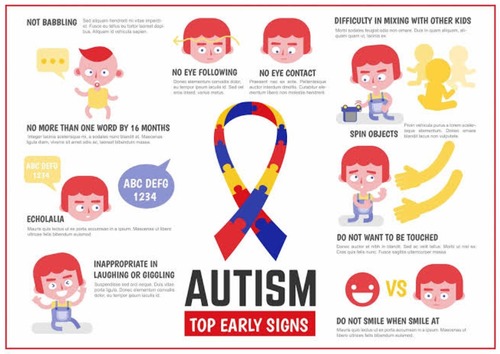
“Doctor sahab, kuch toh alag lag raha hai, par pata nahi kya.” (Doctor, something feels different, but I don’t know what.)
I always tell these parents the same thing: trust that feeling. In my experience, a mother’s or father’s gut instinct is often the earliest and most reliable red flag detector we have — much before any test or scale I use in my clinic. My last article covered the general milestones of development, birth to five years. This one is different in purpose. This is about the warning signs — the “alarm ki ghantiyan” (alarm bells) — that tell us when it’s time to stop waiting and start asking questions.
I want to say clearly, before we go further: a red flag is not a diagnosis. It is not a certificate of something being “wrong” with your child. It is simply a signal that says — is chiraag ki lau ko thoda gaur se dekhiye (look a little more closely at this flame) — let’s look a little closer, together, with a specialist. Most of the time, early attention leads to reassurance or simple correction. Sometimes it leads to early intervention that genuinely changes a child’s future. Either way, noticing early is never a mistake.
Why Red Flags Matter More Than Milestones Alone
Parents often ask me — “Doctor sahab, hum toh milestone chart dekh hi rahe hain, phir red flags ki kya zaroorat?” (We’re already watching the milestone chart, so what’s the need for red flags?)
Here is the difference. Milestones tell you what should generally happen by a certain age. Red flags tell you what should never happen, regardless of age — because certain signs point to something needing attention no matter when they appear. A milestone delay of two months is usually not alarming. But a red flag, even a single one, deserves a proper look by a paediatrician or paediatric neurologist. Doodh mein makhi ki tarah hai — jitni jaldi nikaal lo, utna behtar (it’s like a fly in the milk — the sooner you remove it, the better).
Red Flags by Age Group
Birth to 3 Months
4 to 6 Months
7 to 12 Months
1 to 2 Years
2 to 3 Years
Red Flags That Apply at Any Age
Some signs are important enough that I don’t tie them to a specific age bracket at all:
What I Want Parents to Understand About Red Flags
I have practised long enough to have seen every possible reaction to this list — from parents who go pale reading it and start imagining the worst, to parents who read half of it and say “arre yeh toh sab normal hai, sabke bachche aise hi hote hain” (oh this is all normal, all children are like this) and close the book entirely. Both reactions, I understand. Neither is quite right.
A single red flag, present briefly and then resolving on its own, is usually nothing to fear. What matters clinically is persistence, and clustering — several flags appearing together, or one flag that does not improve despite time and encouragement. This is exactly why I always tell families: don’t try to self-diagnose from an article, even one written by me. Use this as a torch to look a little more carefully, not as a final verdict.
I also want to gently address something I hear often in joint families here in Lucknow and nearby areas — “ladke der se bolte hain, chinta mat karo” (boys talk late, don’t worry) or “hamara bhi bachcha aise hi tha, theek ho gaya” (our child was also like this, he turned out fine). These are said with love, and often they turn out to be true. But they should never replace a professional evaluation. Elders’ experience is valuable, but it is not a substitute for a paediatrician’s examination when something genuinely feels off.
What to Do If You Notice a Red Flag
A Closing Thought
In my career, I have given families both kinds of news — the reassuring kind, far more often than not, and occasionally, the kind that requires courage to hear. What I have learned, sitting on both sides of that conversation, is this: parents who notice early and act early give their children the best possible chance, no matter what the underlying answer turns out to be.
So please, don’t feel guilty for worrying, and don’t feel silly for asking. Jo maa-baap apne bachche ke liye sawaal poochte hain, woh sabse acche maa-baap hote hain (parents who ask questions for their child’s sake are the best kind of parents there are). If something on this list rings a bell for your child, that instinct deserves a proper conversation with a doctor — not dismissal, and not panic. Just attention, at the right time.
This article is for general awareness and does not replace a proper clinical evaluation. Every child is unique, and if you notice any of the signs mentioned here, please consult a paediatrician or paediatric neurologist for a personal assessment.